Paperhouse (1988)
featuring Bernard Rose
Directed by Bernard Rose. Starring Charlotte Burke, Elliott Spiers, Ben Cross, Glenne Headly.
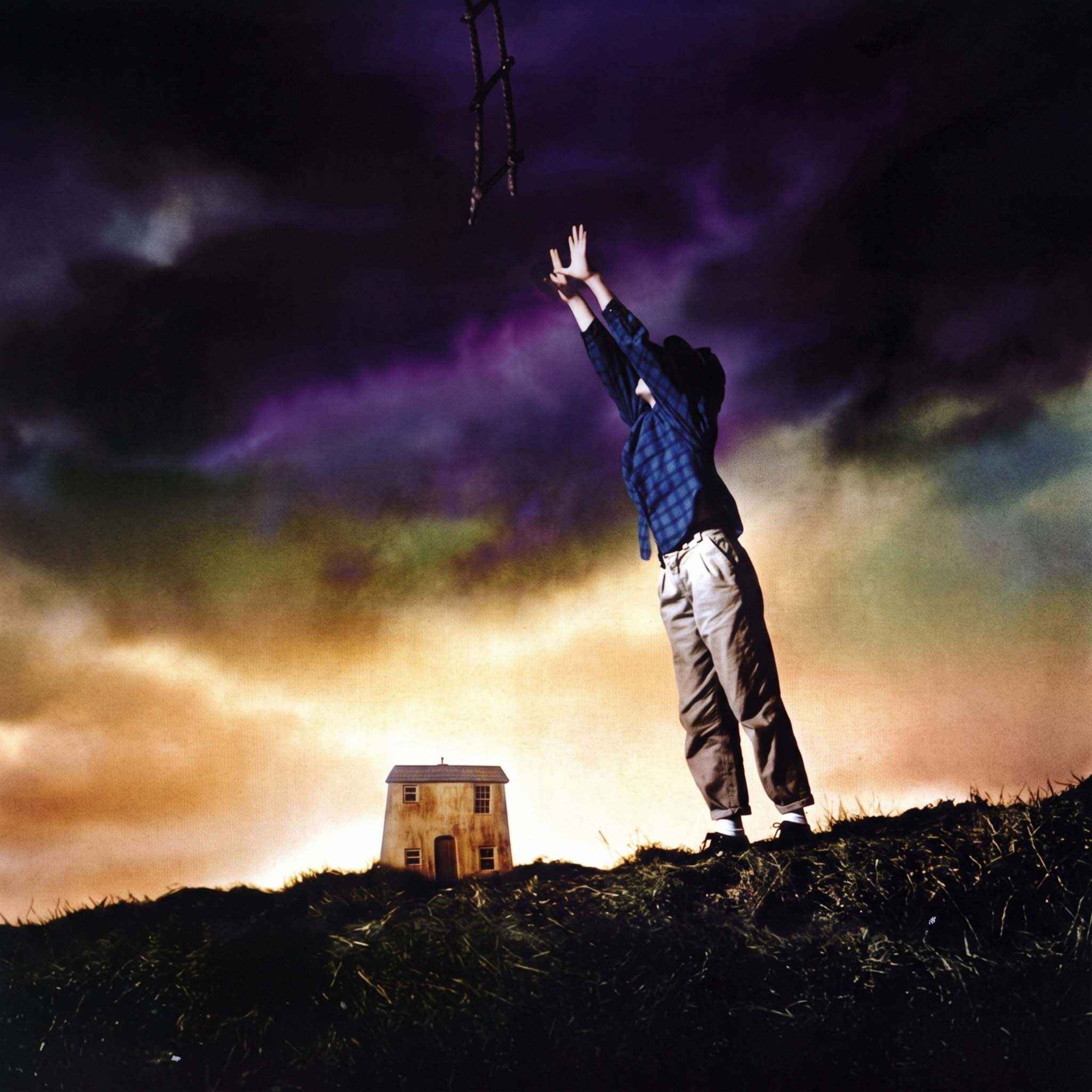
Director Bernard Rose joins us for a look back at his first theatrical feature film, the dark fantasy Paperhouse (1988). It features Charlotte Burke as a British schoolgirl who, while bedridden with glandular fever (or 'mono' for those across the pond), finds herself experiencing recurring dreams in which she visits an isolated house she drew herself. She soon discovers that she can add additional things to the drawing and they appear in the house, but sometimes they don't come out as benign as she intended... An atmospheric, stark film that dissolves the boundaries between dream and reality, Paperhouse bears all the hallmarks of the director who would bring us Candyman (1992) a few years later. But is it a dream to treasure or a nightmare best forgotten? Find out!
Did we set it free?
Make your call to reveal our verdict, our star rating out of five and our full review.
Skip the guess and read the review
VerdictSet free
A childhood nostalgia pick from Conrad, who caught it on TV as a kid and never shook it off, and director Bernard Rose joined us to talk about his first theatrical feature.
Adapted from Catherine Storr's Marianne Dreams, it follows 11-year-old Anna (Charlotte Burke), who falls ill with glandular fever and finds herself inside the lonely house she drew at school, where a boy called Mark (Elliott Spiers) waits at the window, unable to walk. Every line she adds or scribbles out changes the dream. The house rising out of the horizon was a facade on Exmoor, until the 1987 hurricane flattened it, and the moor at night was built on Pinewood's biggest stage.
The nightmare version of her father (Ben Cross), a silhouette on the skyline with a hammer, is pure childhood terror, and the film catches the delirium of a fever uncannily well. Rose sees Pan's Labyrinth as almost a remake. It's compromised in places: Vestron had Glenne Headly's lines re-recorded and demanded more music, so Hans Zimmer's Synclavier score replaced most of Stanley Myers' Fauré-based one. The third act drifts, and Dan found the helicopter ending hokey and Anna hard to like until a second viewing. Still, the dream imagery holds.
We both set it free.
Wow, this is definitely a film for Conrad. It's got an outcast child disappearing into a fantasy world.
Dan It's very interesting that boys tend to go on a quest and defeat something, whereas women, young girls, tend to create entire worlds and have more of an emotional growth.
Conrad And of course, Hans came to Hollywood and no bombast was too much bombast.
Bernard Rose



Verdicts are decided with the people who back the show. Patreon supporters get a vote.