Cure (1997)
Directed by Kiyoshi Kurosawa. Starring Kōji Yakusho, Masato Hagiwara, Tsuyoshi Ujiki, Anna Nakagawa.
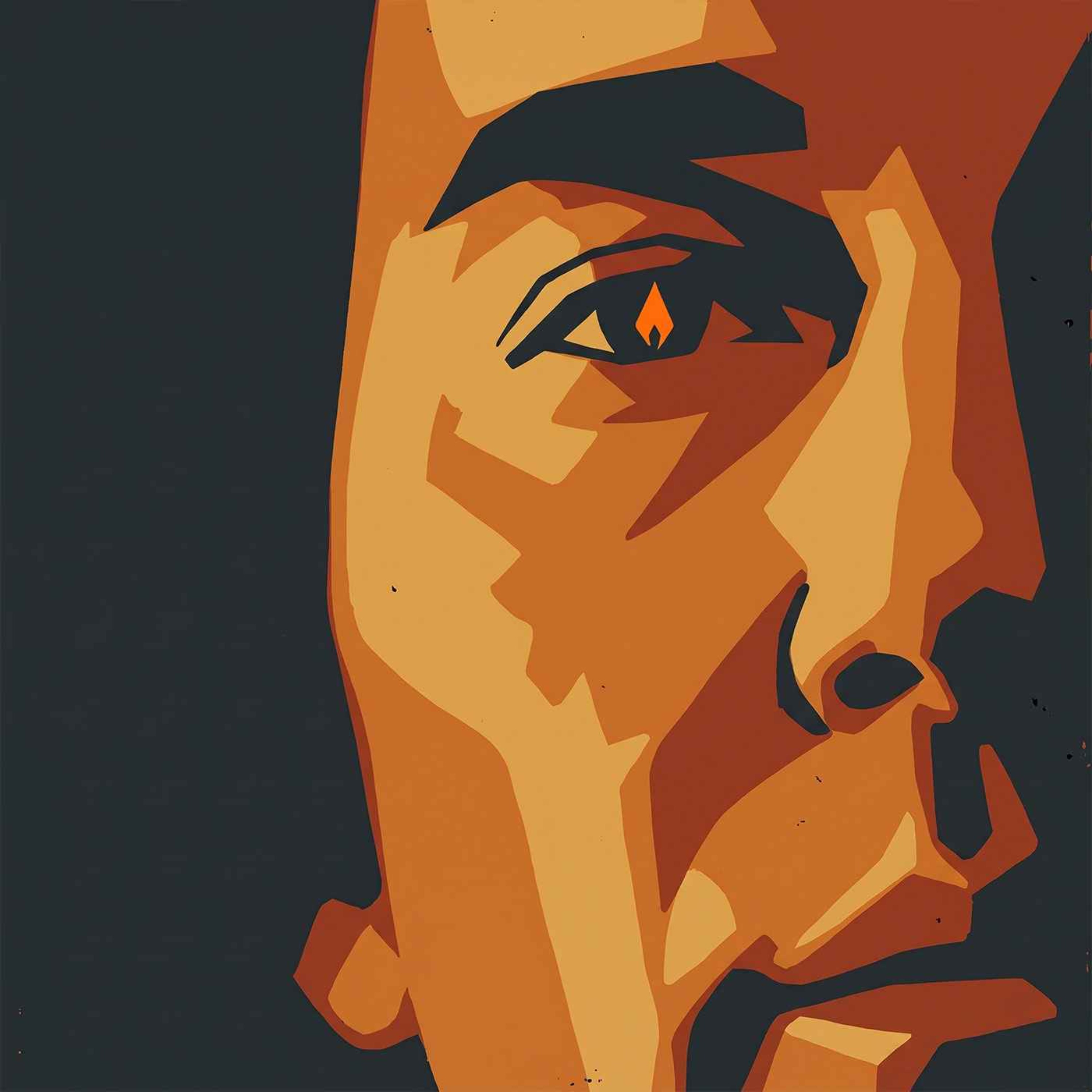
In this Patrons' choice episode, we're exposing ourselves to Cure (1997) – the film that announced Kiyoshi Kurosawa as one of the most unsettling voices in modern horror. Set in Tokyo at the tail end of Japan's "lost decade", it follows weary detective Takabe (Kōji Yakusho) as he investigates a string of seemingly connected string of murders... with apparently different perpetrators. Victims keep turning up with the same grotesque X carved into their necks, and the killers – usually found standing nearby in a daze –have absolutely no idea why they did it. Just when things seem bleak enough, Takabe encounters a mysterious drifter, Mamiya (Masato Hagiwara) – a soft-spoken young man who asks everyone the same simple question: Who are you? Should this early progenitor of the "J-horror" phenomenon be released from the oubliette… or would it be safer if we all forgot we ever saw it? Find out!
Did we set it free?
Make your call to reveal our verdict, our star rating out of five and our full review.
Skip the guess and read the review
VerdictSet free
Keeper Anthony's pick, spun on the Oubliette roulette wheel, and new to both of us.
In a grey, rain-soaked Tokyo, Detective Takabe (Kōji Yakusho) investigates a string of murders committed by ordinary people who have no motive, no history of violence and little interest in what they've done. Every victim has an X carved into the neck. With the help of his psychiatrist friend Sakuma (Tsuyoshi Ujiki), Takabe traces the killings to Mamiya (Masato Hagiwara), a drifting young man with no memory who answers every question with another question.
It starts out like Se7en and then takes the serial killer film apart, because there's no profile to build or pattern to crack. Mamiya simply asks people who they are, and something buried in them comes out. Kurosawa, a veteran of direct-to-video crime films, shoots in long, still takes and cuts abruptly, and the sound design, all drones, waves, washing machines and tapping, is hypnotic in its own right. The violence happens in plain wide shots with no music, which makes it far worse. Takabe is also caring for his wife, who is losing her memory, and as the film goes on it becomes harder to tell what's real. The title was reportedly changed from Evangelist after the 1995 sarin attack on the Tokyo subway. Bong Joon-ho counts it among his favourites, and Ari Aster has called it one of the greatest films ever made.
We both set it free, though Dan warns that it takes more than one viewing, and Conrad that it isn't for anyone who dislikes slow films. Most of the patrons agreed.
I'd set it free. I mean, it's a masterpiece. It's clearly a masterpiece.
Conrad I think this is a repeat watch movie to just absorb its sort of density.
Dan

Verdicts are decided with the people who back the show. Patreon supporters get a vote.